Water mist puts out fire using physics, not volume. High-pressure water is forced through fine nozzles to create a dense fog that cools the fire and starves it of oxygen — using a fraction of the water a sprinkler would.
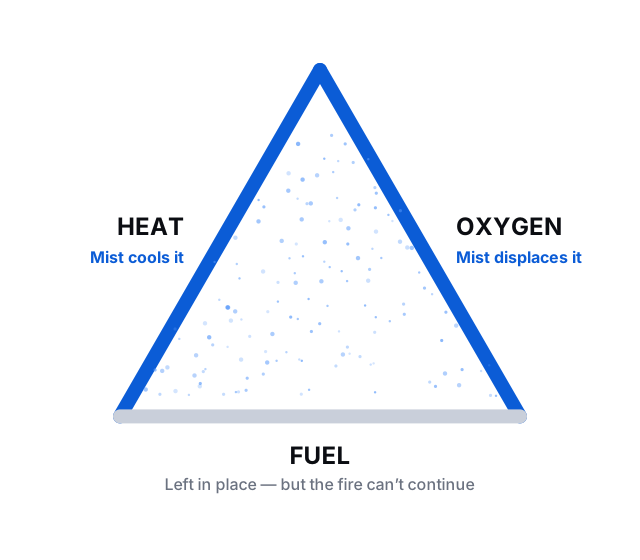
A fire needs heat, fuel and oxygen. Water mist takes away two of the three at once.
High pressure
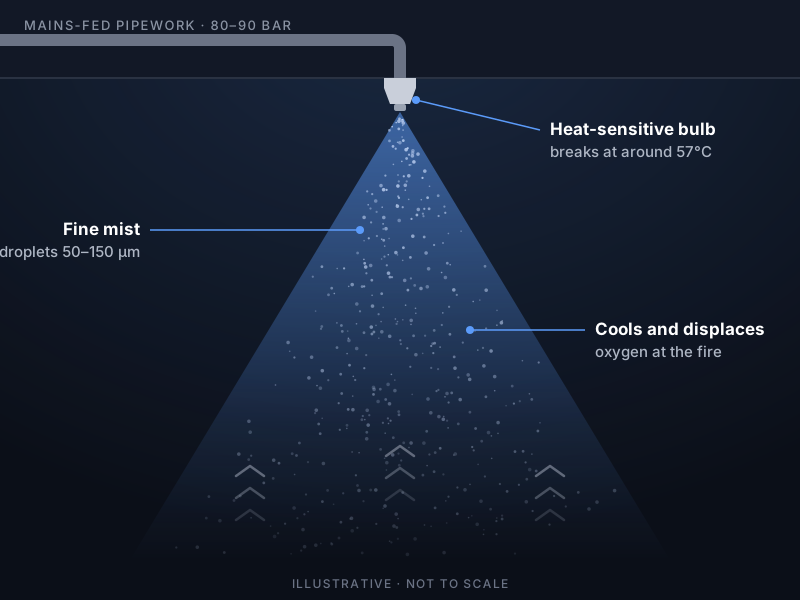
Systems run at around 80–90 bar, forcing water through specialist nozzles.
A fine fog
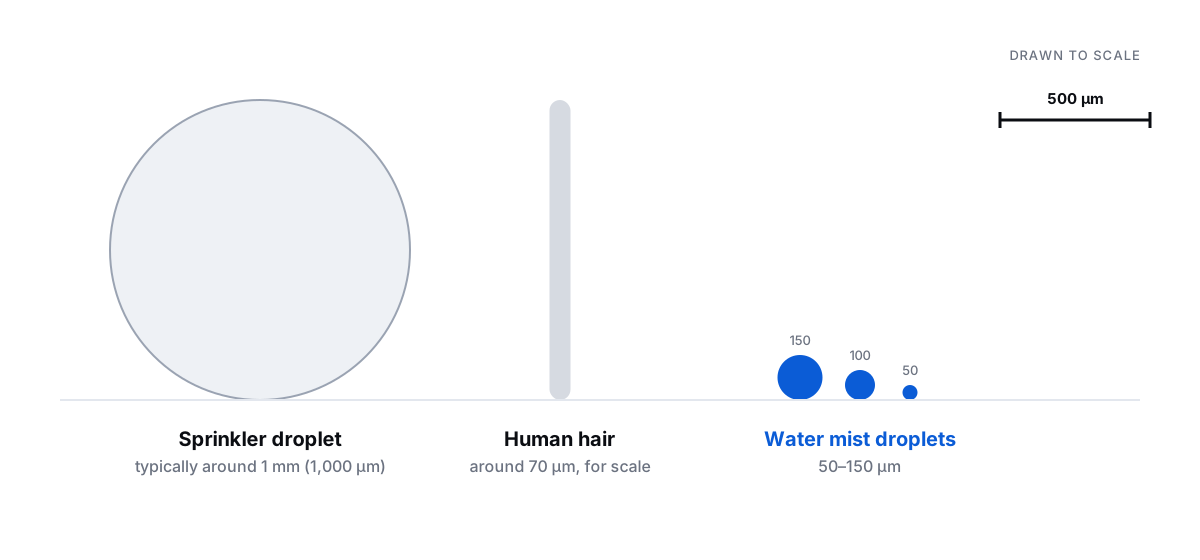
That pressure atomises the water into a mist of tiny droplets, roughly 50–150 microns across.
Rapid cooling
The vast surface area of the mist absorbs heat extremely quickly, dropping the temperature.
Oxygen displacement
As droplets flash to vapour they expand, locally displacing oxygen and smothering the fire.
The fire triangle. Mist works on two sides at once.
Drawn to scale. Split the same water into 50–150 µm droplets and its surface area is 7–20 times greater than as 1 mm drops — which is why mist absorbs heat so quickly.
In a fire
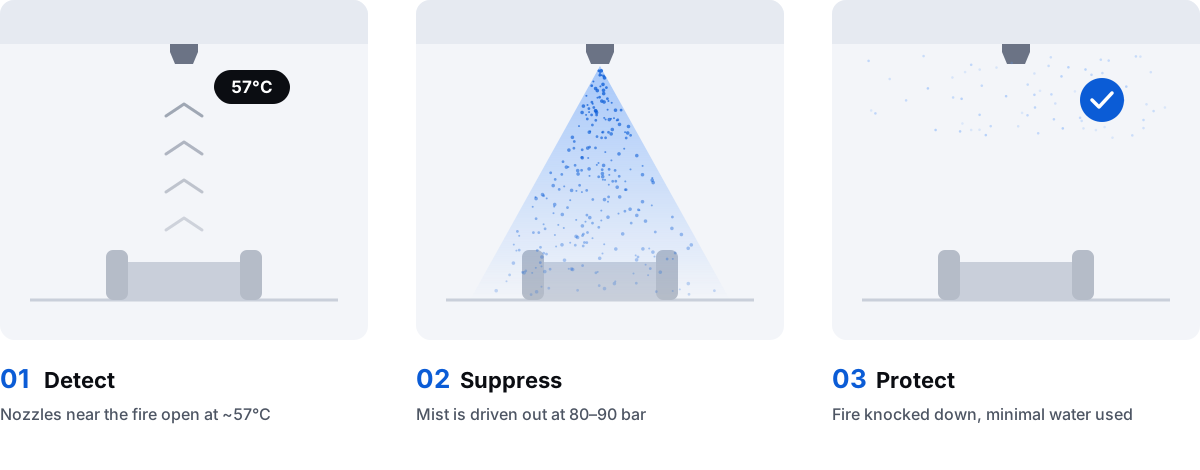
Detect, suppress, protect
A system that sits unnoticed in the ceiling until the moment it’s needed — then acts on its own, without anyone having to be there.
Illustrative sequence. Only nozzles that reach their activation temperature open.
What makes it different
Not a sprinkler
Same goal as a sprinkler — a very different approach, with far less collateral damage.
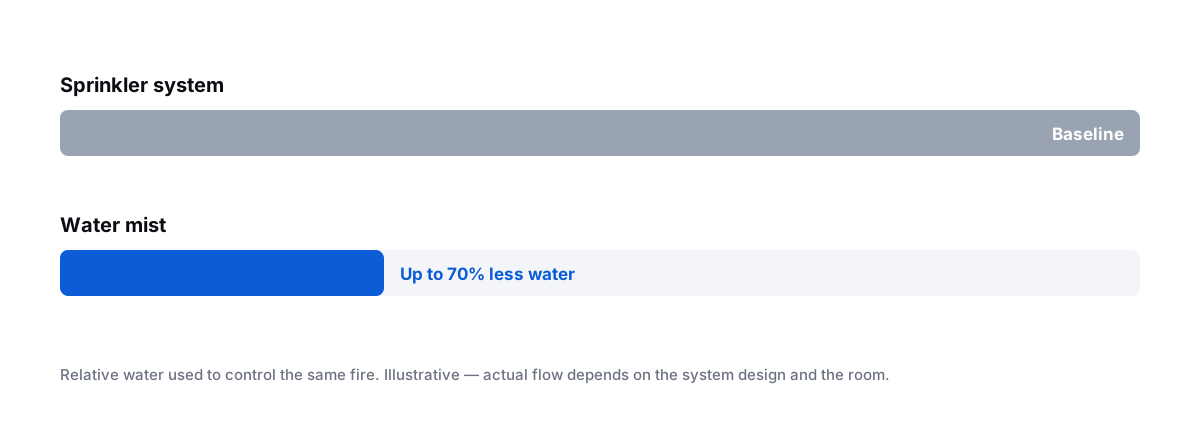
Up to 70% less water
A fraction of a sprinkler’s flow means far less damage to the building and its contents.
No storage tank
Mains-fed, so there’s nothing bulky to find space for.
Nozzle by nozzle
Only nozzles near the fire open — typically at around 57°C — and each releases a fine mist rather than a heavy spray.