WATER MIST VS SPRINKLERS
Both put fires out. They do it very differently — and for most homes and buildings in the west of Scotland, high-pressure water mist protects people with a fraction of the water damage. Here's how the two compare, and where each one genuinely wins.
THE COMPARISON
The differences that actually matter when you're choosing a system for your property.
Criteria
Water mist
Sprinklers
Water used
Up to 70% less
High volume
Water damage
Minimal
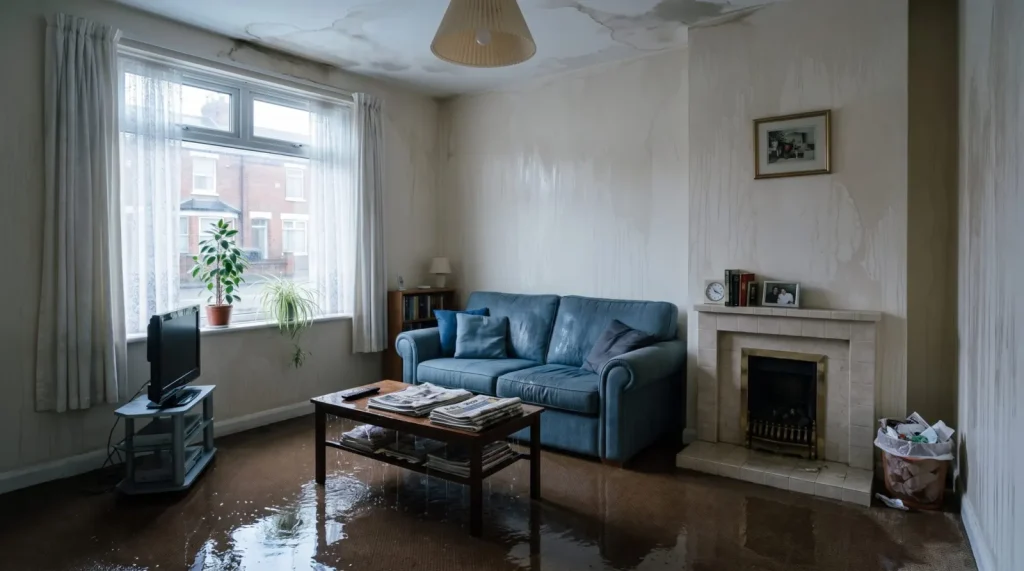
Often significant
Storage tank
None — mains fed
Usually required
Droplet size
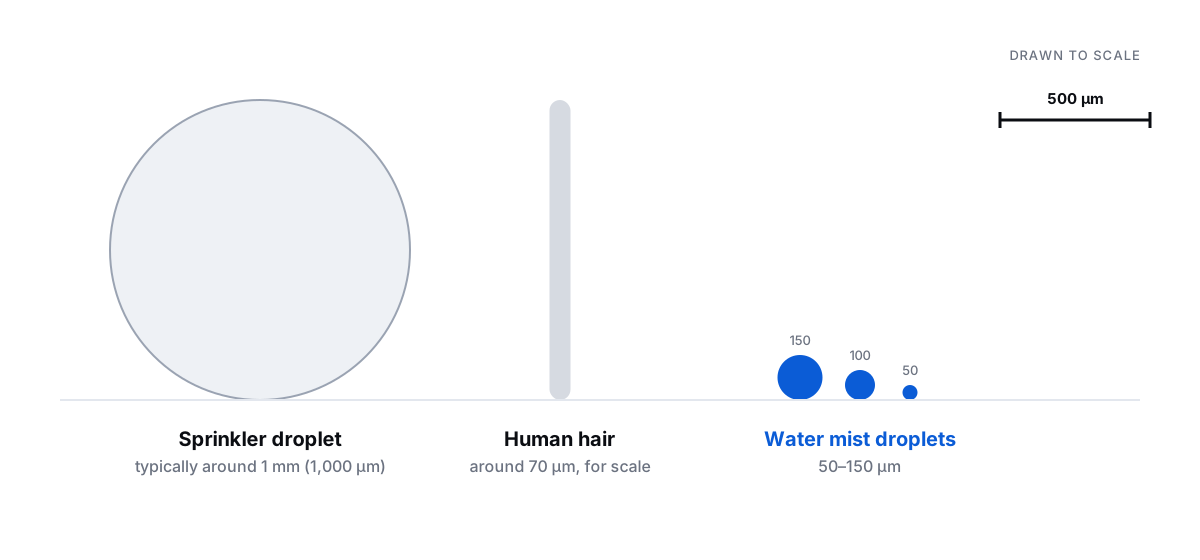
50–150 micron mist
Large droplets
How it works
Cools + displaces oxygen
Soaks and cools
Pipework
Slimmer, lower flow
Larger bore
Retrofit
Less disruptive
More invasive
Nozzles
Discreet
Bulky heads
Pressure
High (≈70–90 bar)
Low
Design standard
BS 8458
BS 9251 / EN 12845
HOW THEY WORK
Pumps drive water through fine nozzles at high pressure, atomising it into a dense fog of 50–150 micron droplets. The mist flashes to steam on contact with heat — pulling energy out of the fire to cool it, while the expanding vapour pushes oxygen away from the flames. Far less water, used far more efficiently.
Heat bursts a glass bulb and the head floods the area with a high volume of water, soaking the fire and surrounding surfaces to cool and smother it. Proven and well understood — but it needs a lot of water, and that water has to come from somewhere and go somewhere.
We're not here to tell you mist is always the answer. For large industrial units, warehouses and certain high-hazard settings, a traditional sprinkler system is often the right — and sometimes the required — choice. Where water mist genuinely shines is homes, flats, HMOs, care homes, hotels, heritage buildings and fit-outs where water damage, disruption and tank space are real problems. If sprinklers suit you better, we'll tell you.
Tell us about your building and we'll recommend the right system — mist or sprinkler — with a clear, fixed quote and no pressure.
Get a free quote